EV charging is becoming a standard part of the retail experience, not just a sustainability checkbox. This guide covers where adoption stands today, what the economics look like, and what makes a station reliable enough to build. Everything a retailer needs before evaluating a provider.
U.S. EV totals grew from under a million in 2020 to nearly 4.7 million by 2024 and roughly 6.5 million by late 2025, with conservative projections still landing around 19-20 million by 2030. California remains the clear leader by a wide margin. Florida and Texas sit a clear step below California but close to each other for second and third in EV sales, each moving tens of thousands of vehicles a year and well ahead of the rest of the pack. What makes that notable: neither state offers a purchase incentive, so this is organic driver demand, not a subsidy effect.
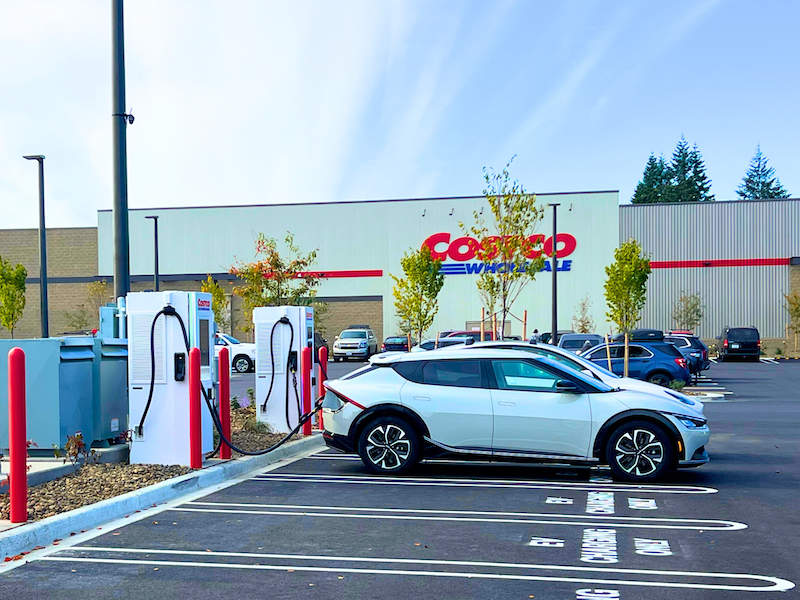
Some of the largest retailers and fuel operators in the country are moving first. Wawa, BP, Pilot Flying J, Sheetz, Walmart, Target, and Costco are all building or expanding fast-charging networks today, several funding it entirely themselves.
Our Retail EV Charging Index tracks who's doing it well, and the pattern isn't only about hardware. It's about whether charging is part of the brand. These businesses are building a different category from the highway charging most drivers have seen: corridor networks like Tesla Superchargers or ChargePoint are built for a driver passing through. Retail-first charging is designed around dwell time instead, since the 15 to 30 minutes a driver spends charging is also time spent inside the store.
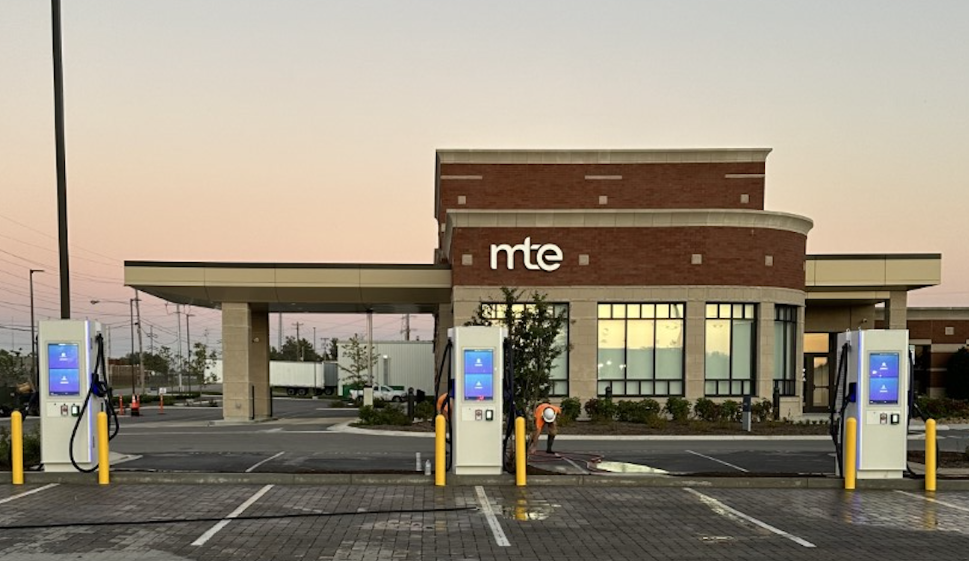
It depends on how much risk and upside you want to hold. There's no universal right answer. Direct purchase means funding the CapEx and keeping 100% of the revenue and tax benefits. Charging-as-a-service means $0 upfront and a flat monthly fee. A site-host model means a third party owns and operates the equipment on your property, usually for a share of revenue or a flat lease payment.
Whichever structure a retailer picks, a credible partner can help you understand expected utilization before commitment, not after. That's what actually de-risks the decision, more than which ownership model gets chosen.
Reliability comes down to concrete items, not luck. The best-run stations are remotely monitored around the clock, so a problem gets caught and fixed before a driver ever sees it, instead of only being discovered when someone complains. Redundant, well-tested hardware reduces how often issues arise, and over-the-air software updates mean fast, network-wide changes.
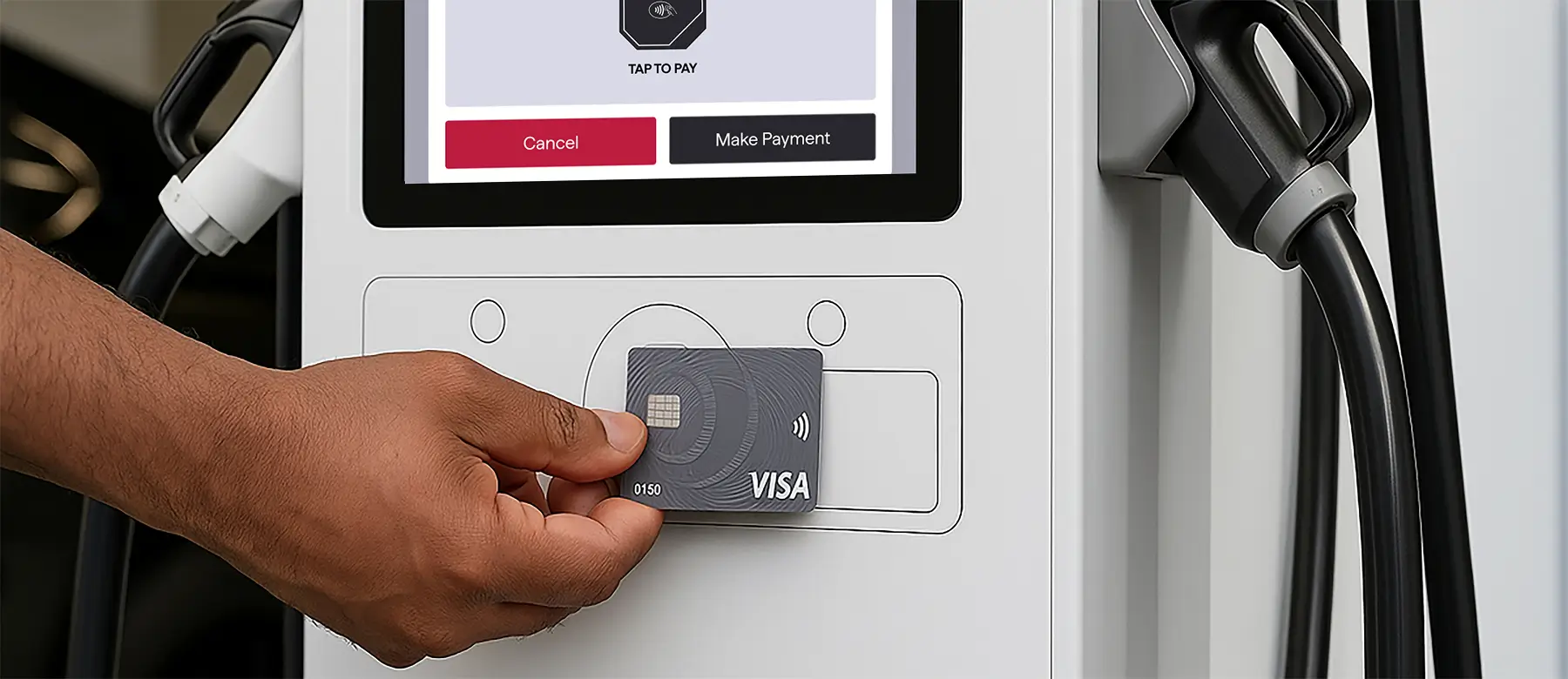
Payment reliability matters just as much as the charger itself: a broken card reader is functionally the same as a dead charger. Battery-backed systems also avoid a whole category of outages tied to grid instability or demand spikes, since the battery is what's actually delivering power during a charge.
Uptime alone isn't the full picture, either. It tells you whether a charger is technically on, not whether a driver's session actually goes through cleanly. First plug-in success rate is a sharper measure of real reliability. Some providers now back that number financially, issuing a credit if they miss a stated threshold.
.jpg)
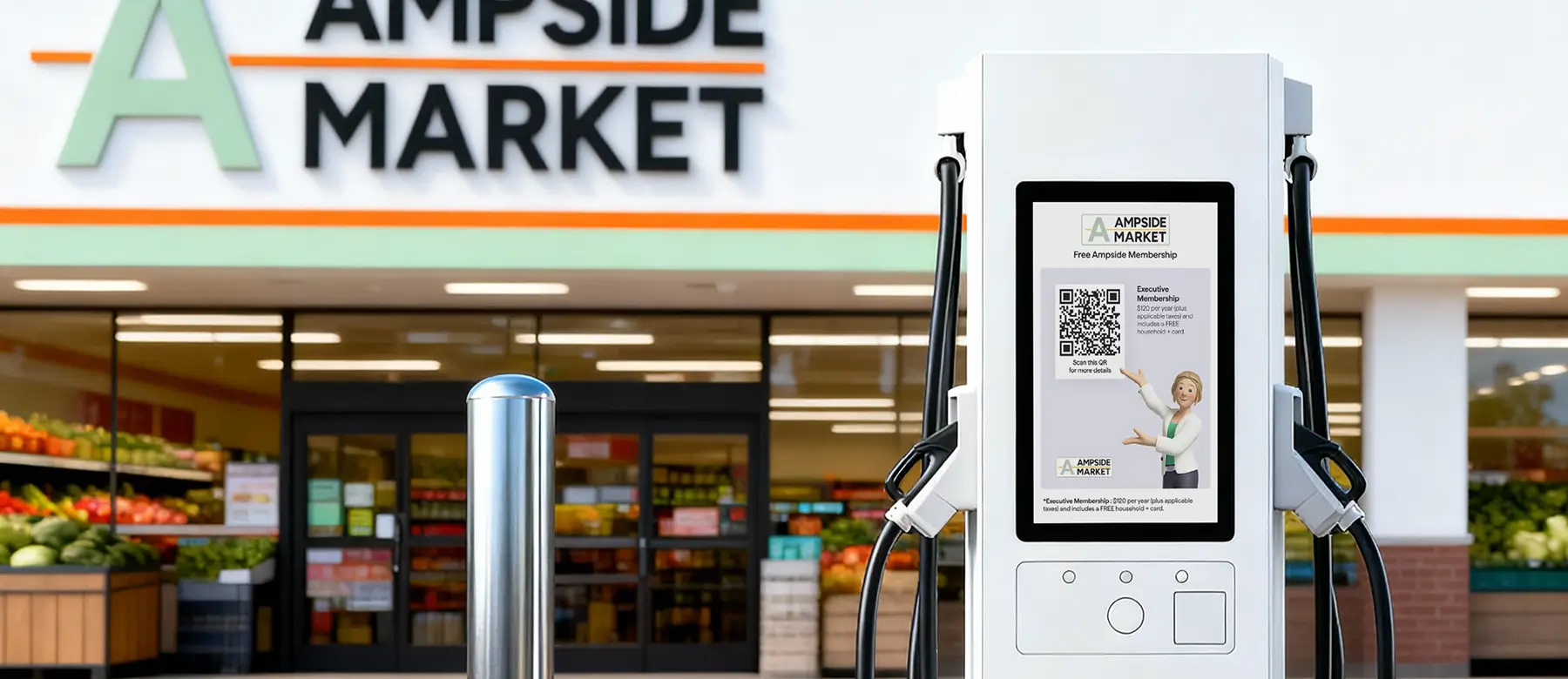
It should, and that's exactly where a lot of providers fall short. The charging screen sits right at the moment a driver is most engaged with a retailer, which makes it a natural extension of the brand experience already in place: membership validation, loyalty sign-up, personalized offers, all surfaced right where the driver is already looking.
In practice, though, many charging providers treat that screen as nothing more than a payment terminal. That's a real missed opportunity: the moments a driver is standing there before choosing what to do for the next 20 minutes is exactly when a loyalty signup or a personalized offer lands best, and a retailer evaluating providers should ask directly whether loyalty integration is possible, not assumed.
There are two revenue streams to account for: direct charging revenue (what's charged per session, minus energy and operating costs) and indirect retail lift (larger baskets, more loyalty engagement while a driver waits). How much each contributes varies a lot by how many sessions a site actually sees per day.
.avif)