Case Study | Making EV fast charging pencil in grid-constrained areas: A travel stop in the Colorado mountains


Heading into the busy summer travel season, EV fast charging site operators face a challenge: More drivers charging means more power, high power bills and a strained driver experience. At a travel stop in the mountains of Colorado, Electric Era's intelligent energy management proves you don't have to choose. Over Memorial Day weekend, the site absorbed more than 5x its typical traffic, and kept the operator's monthly utility costs low.
For this operator, EV charging isn't a side experiment. It's an extension of the same promise the brand has always made to drivers: be road trip ready, no matter what you drive.
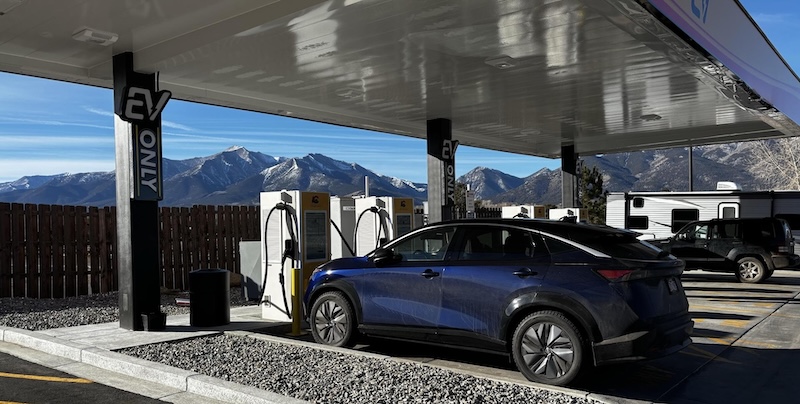
This location puts that promise to the test. The town sits in a remote stretch of central Colorado, but it's a corridor that everyone passes through, a natural waypoint for travelers headed to the region's hiking, camping, and outdoor destinations. For EV drivers, there are few places to charge for miles in any direction. That makes this station a critical piece of charging infrastructure on the corridor.
The challenge: Demand charges
This station operates under a punitive utility rate structure, upwards of $28/kW during peak hours, and $7/kW the rest of the time.
In rural, low-density regions like this across the U.S., demand charges hit hardest. A single high-powered charging session at the wrong time of day can generate operating costs that quickly outpace any charging revenue earned. Without effective energy management, site economics don't make sense.
The solution: Battery-backed adaptive energy management
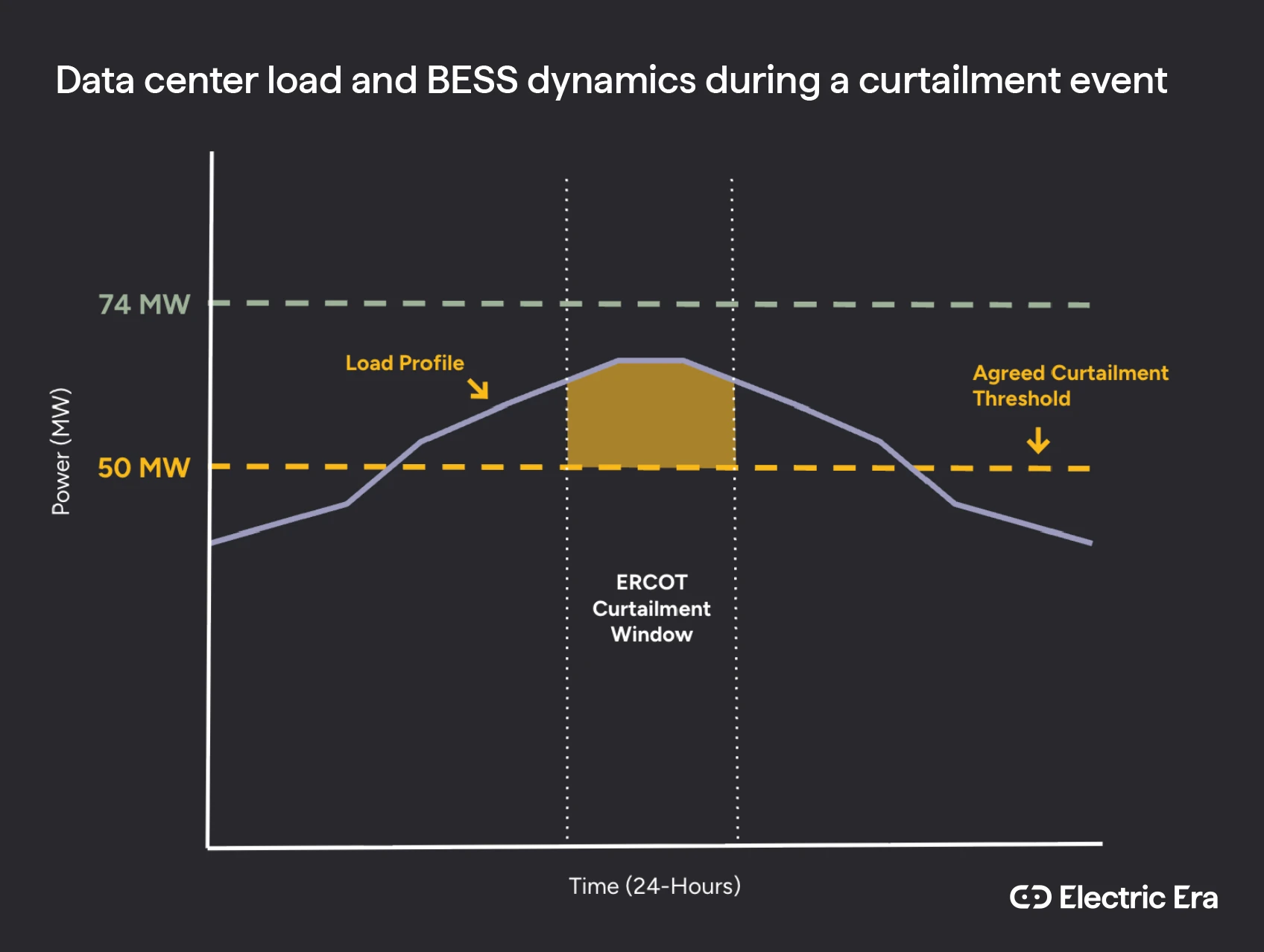
Electric Era's system blends grid power with stored battery energy, using software-set economic grid limits to keep grid draw low precisely when it's most expensive.
Before the site went live, Electric Era analyzed load profiles from similar sites to understand not just how much demand to expect, but when to expect it. The result: grid draw capped below what the chargers can deliver, and even further during on-peak hours, with the battery covering the difference.
This strategy proved itself early: During peak hours, a single high-powered vehicle requested high power for an extended period of time, while the site pulled roughly a quarter of that from the grid. The battery covered the rest. Over the following months, this approach saved the operator a significant amount in demand costs without sacrificing charging performance.
Static limits control costs, but they do have a blind spot: When demand doesn't materialize, the site pays for more grid capacity than it needs, leaving battery savings on the table. Electric Era uses adaptive grid limits to get around this. During slow periods, grid draw is lowered further and captures additional savings automatically. When demand surges, soft limits flex up naturally to meet drivers' needs, while hard limits keep demand charges in check.
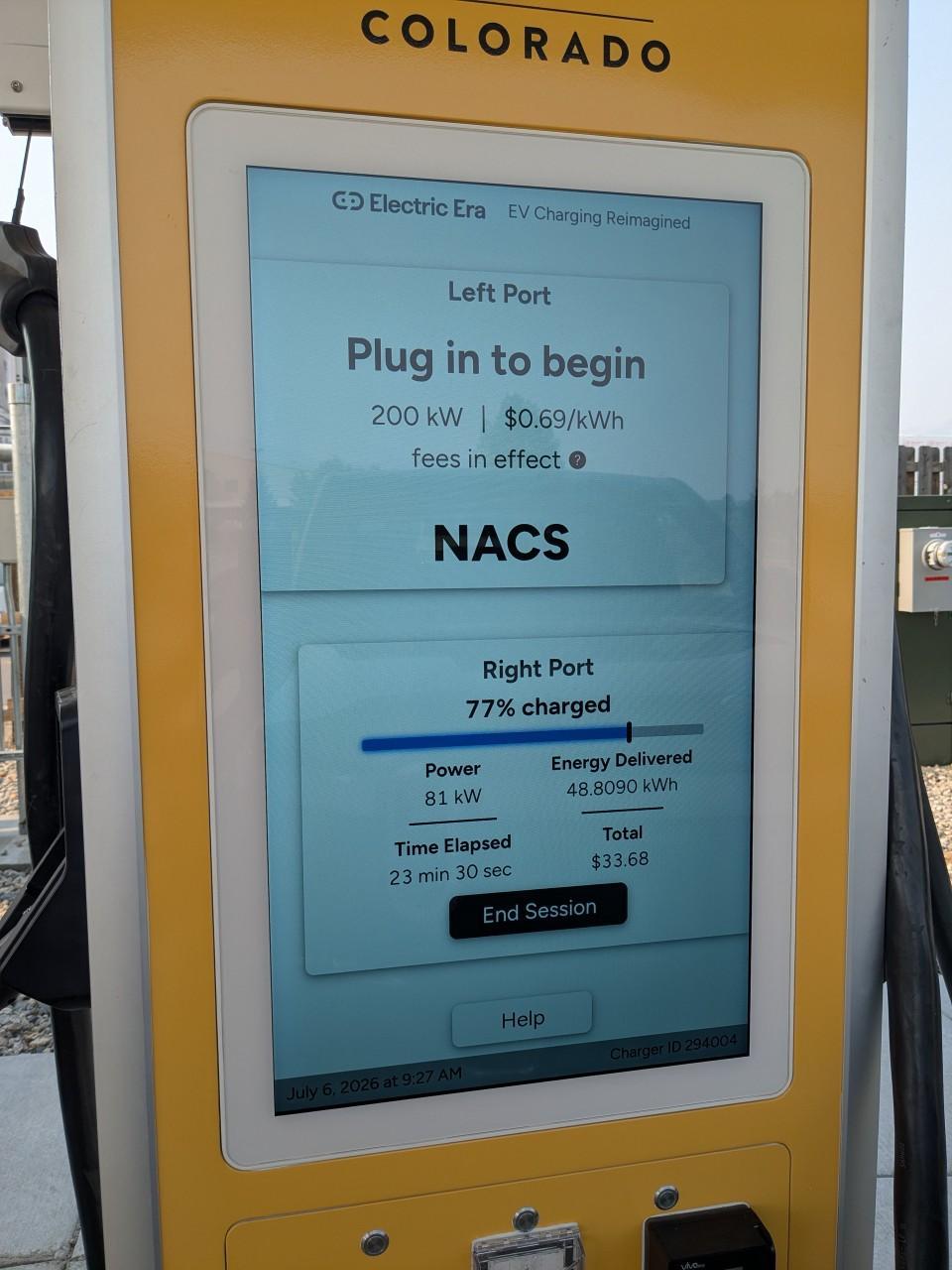
The real test: Memorial Day weekend
On Memorial Day weekend, this station saw more than 5x the typical volume of drivers charging. Soft limits gave way to meet this surge, while hard limits held firm against demand charges. Drivers charging received full speeds during the busiest days of the weekend, even with total site demand running above that. Over the holiday period, the station delivered 3x the energy it normally does.
"Battery-backed charging is what makes a site like this work. Electric Era gave us a station that held full charging speeds through our busiest weekend of the year and kept our costs predictable."
— Alternative energy team, leading national travel stop brand
Why drivers choose this site
Electricity in mountain regions doesn't come cheap. Serving high-power loads in low-density areas is why demand charges here are so steep, and why fast charging in the mountains tends to carry a premium. Because Electric Era mitigates that demand charge risk, the operator can offer a predictable, competitive rate that's consistent all day. During the busiest travel windows, when most drivers actually charge, this station is the most price-competitive Level 3 charging option in the area.
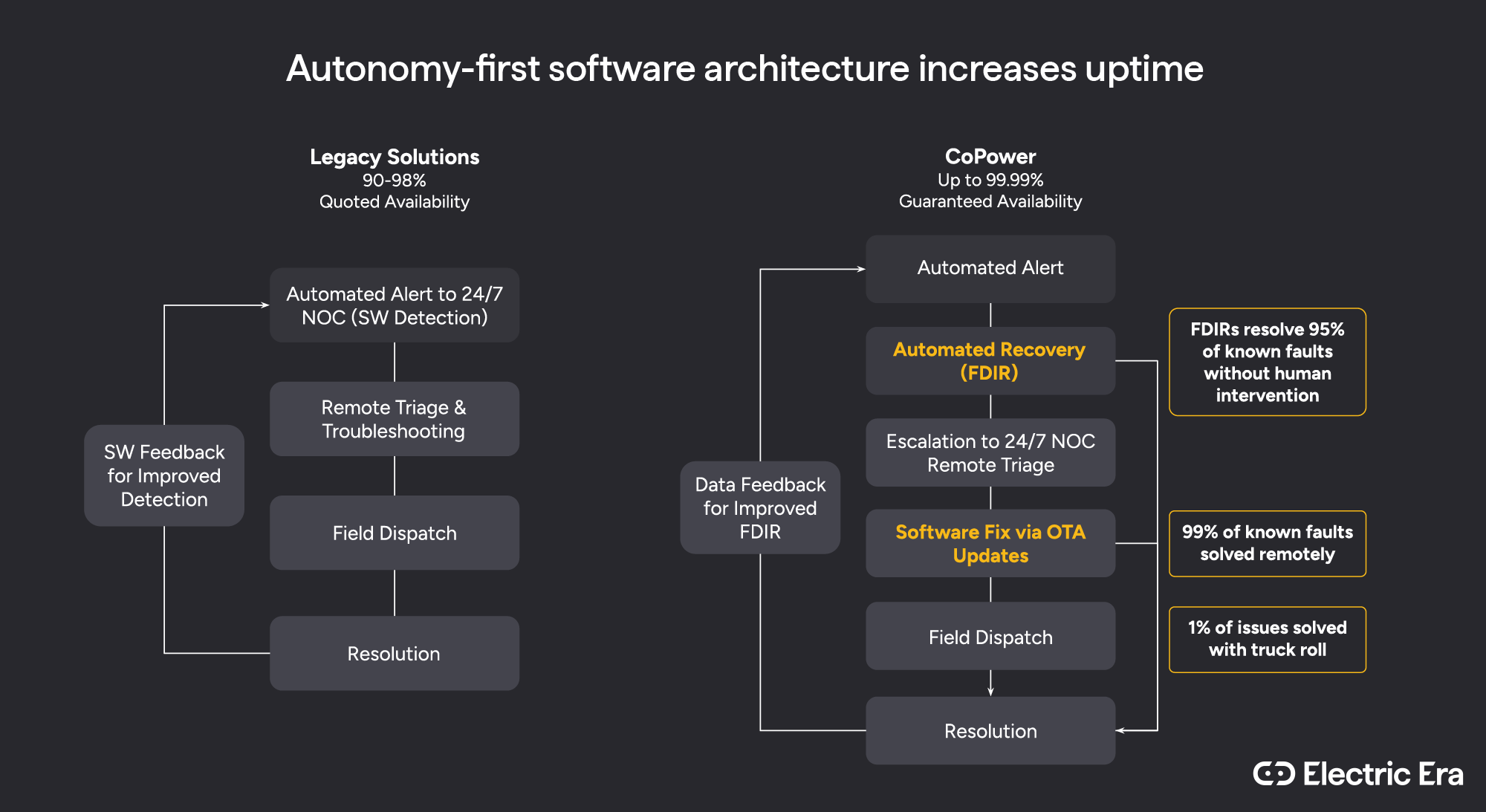
Combine that with 98%+ guaranteed uptime and a top PlugShare rating, and the result is a station drivers seek out, return to, and shop at consistently.
Driver feedback:

"Clean, well designed and next to a full service travel stop. EV9 solo got about 150–190 kW charge speed."
"Great place to charge Mustang Mach-E, there are both CCS and NACS plugs. I used my NACS to CCS adapter and it worked flawlessly. The station was very bright at night, which made charging feel safer."
"Nice option for EV charging out here. Averaged around 120 kW with 20 degree temps. Clean facilities as well."
Electric Era is proud to partner with leading travel stop brands to deliver an unparalleled EV fast charging experience to both the operator and driver.
Curious about EV fast charging for your location? Contact us today to get started.
Heading into the busy summer travel season, EV fast charging site operators face a challenge: More drivers charging means more power, high power bills and a strained driver experience. At a travel stop in the mountains of Colorado, Electric Era's intelligent energy management proves you don't have to choose. Over Memorial Day weekend, the site absorbed more than 5x its typical traffic, and kept the operator's monthly utility costs low.
For this operator, EV charging isn't a side experiment. It's an extension of the same promise the brand has always made to drivers: be road trip ready, no matter what you drive.
This location puts that promise to the test. The town sits in a remote stretch of central Colorado, but it's a corridor that everyone passes through, a natural waypoint for travelers headed to the region's hiking, camping, and outdoor destinations. For EV drivers, there are few places to charge for miles in any direction. That makes this station a critical piece of charging infrastructure on the corridor.
The challenge: Demand charges
This station operates under a punitive utility rate structure, upwards of $28/kW during peak hours, and $7/kW the rest of the time.
In rural, low-density regions like this across the U.S., demand charges hit hardest. A single high-powered charging session at the wrong time of day can generate operating costs that quickly outpace any charging revenue earned. Without effective energy management, site economics don't make sense.
The solution: Battery-backed adaptive energy management
Electric Era's system blends grid power with stored battery energy, using software-set economic grid limits to keep grid draw low precisely when it's most expensive.
Before the site went live, Electric Era analyzed load profiles from similar sites to understand not just how much demand to expect, but when to expect it. The result: grid draw capped below what the chargers can deliver, and even further during on-peak hours, with the battery covering the difference.
This strategy proved itself early: During peak hours, a single high-powered vehicle requested high power for an extended period of time, while the site pulled roughly a quarter of that from the grid. The battery covered the rest. Over the following months, this approach saved the operator a significant amount in demand costs without sacrificing charging performance.
Static limits control costs, but they do have a blind spot: When demand doesn't materialize, the site pays for more grid capacity than it needs, leaving battery savings on the table. Electric Era uses adaptive grid limits to get around this. During slow periods, grid draw is lowered further and captures additional savings automatically. When demand surges, soft limits flex up naturally to meet drivers' needs, while hard limits keep demand charges in check.
The real test: Memorial Day weekend
On Memorial Day weekend, this station saw more than 5x the typical volume of drivers charging. Soft limits gave way to meet this surge, while hard limits held firm against demand charges. Drivers charging received full speeds during the busiest days of the weekend, even with total site demand running above that. Over the holiday period, the station delivered 3x the energy it normally does.
"Battery-backed charging is what makes a site like this work. Electric Era gave us a station that held full charging speeds through our busiest weekend of the year and kept our costs predictable."
— Alternative energy team, leading national travel stop brand
Why drivers choose this site
Electricity in mountain regions doesn't come cheap. Serving high-power loads in low-density areas is why demand charges here are so steep, and why fast charging in the mountains tends to carry a premium. Because Electric Era mitigates that demand charge risk, the operator can offer a predictable, competitive rate that's consistent all day. During the busiest travel windows, when most drivers actually charge, this station is the most price-competitive Level 3 charging option in the area.
Combine that with 98%+ guaranteed uptime and a top PlugShare rating, and the result is a station drivers seek out, return to, and shop at consistently.
Driver feedback:
"Clean, well designed and next to a full service travel stop. EV9 solo got about 150–190 kW charge speed."
"Great place to charge Mustang Mach-E, there are both CCS and NACS plugs. I used my NACS to CCS adapter and it worked flawlessly. The station was very bright at night, which made charging feel safer."
"Nice option for EV charging out here. Averaged around 120 kW with 20 degree temps. Clean facilities as well."
Electric Era is proud to partner with leading travel stop brands to deliver an unparalleled EV fast charging experience to both the operator and driver.
Curious about EV fast charging for your location? Contact us today to get started.